A Tonal Outfit: Repeat a Colour Family Without Requiring an Exact Match
An outfit in one colour family can use different shades and textures rather than identical dye lots. Decide whether you want a close blend or a visible progression. Compare the actual garments together before judging them by colour names.
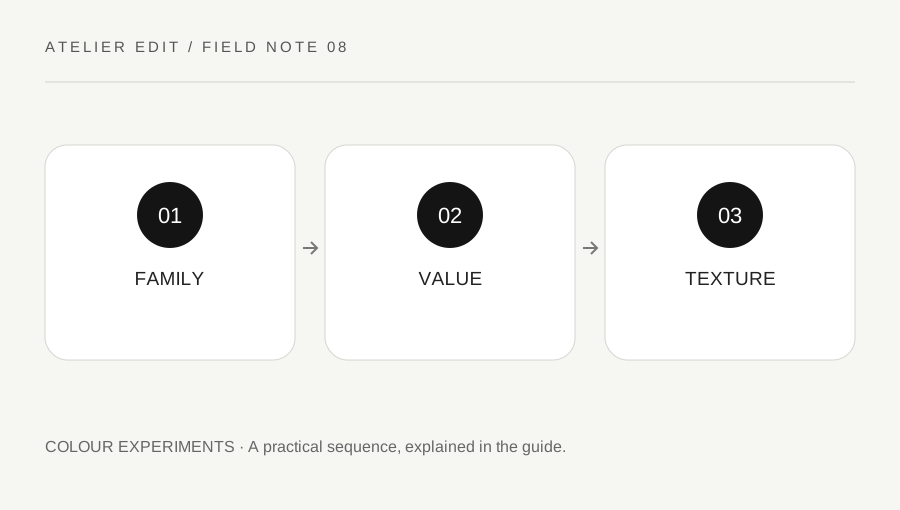
Original explanatory diagram. Examples illustrate a method or decision; they are not claims of personal testing.
Choose an existing anchor
Start with a garment you already enjoy wearing and identify its actual colour under ordinary light. Select another piece from a related family, such as two blues or two warm neutral shades. Treat those descriptions as starting points rather than precise measurements.
Do not assume two garments called beige will match. Their lightness, surface and undertone can differ visibly. Place them side by side and decide whether that difference feels intentional to you. A tonal outfit need not create the illusion of a single uniform fabric.
Use lightness and surface deliberately
A darker lower garment and lighter top can give a visible progression. A matte knit beside a smoother woven surface can separate two close shades. Try one relationship at a time so you can describe what changed.
If the pieces almost match but the difference bothers you, compare a more clearly different shade or texture using another item you own. Do not keep searching for a perfect near match by memory. The useful question is whether the garments work together physically, not whether their labels promise the same colour.
Choose an accessory boundary
A shoe, bag or belt can continue the colour family or create a clear contrast. Either is optional. Begin with familiar practical footwear and add one deliberate accessory relationship if needed. Exact hardware and colour matching are not compulsory.
Check the outfit's purpose and movement. A tonal idea should not depend on uncomfortable shoes or an unsuitable layer for the weather. Keep the base garments wearable in their own right and use the colour relationship as one design choice among several.
Compare a concrete formula
Try navy trousers with a lighter blue knit and your usual shoes. Compare that with a navy knit of a different texture. Keep the garment cuts as similar as your wardrobe allows and note when a cut difference affects the result.
Choose whether you prefer the visible shade progression or the quieter close pairing. Record the actual pieces, not a universal blue formula. These are original editorial suggestions rather than trend measurements or rules about which bodies should wear one colour. A useful tonal outfit is simply a repeatable combination whose differences you understand and enjoy.
Use two shades and one optional accent
Choose a familiar anchor and lay two possible related pieces beside it. Describe each as lighter, darker or close in value, then note texture differences. These relative observations are more useful than trying to identify an exact technical colour from a screen image.
Put on the preferred pair with practical shoes and compare one optional accent, such as a belt or bag. The accent can remain within the family or introduce contrast. Keep the option that helps your intended effect and leave out the other. Check the completed outfit in the lighting where you will wear it, since a subtle difference can become more or less visible. Record the actual items rather than a shopping instruction to buy more of one colour. If the experiment does not appeal to you, return to a contrasting outfit you enjoy. Tonal dressing is one design approach, and understanding why you do or do not prefer a particular pairing is itself a useful result.
A practical checklist
Choices are saved in this browser. Reset them here or clear this site’s browser storage.
Questions that come up
Must every item match exactly?
No. Related shades and textures can form a deliberate tonal combination. Compare the actual effect rather than requiring identical colour names.
Why do two beige items look different?
Colour names are broad, while lightness, surface and undertone can differ. View the garments together in ordinary light.
Do tonal outfits require matching shoes?
No. Shoes can continue the family or provide contrast. Keep comfort and setting needs central to the choice.
References & scope
Background references checked on 18 October 2026. Worked examples and diagrams are original teaching material.