Roll a Shirt Cuff Deliberately, Then Check That It Stays Comfortable
A rolled cuff changes sleeve length and adds a visible edge. Shirt construction, fabric and the layer above it affect whether the result is useful. Try a modest reversible fold and test ordinary arm movement before deciding to wear it all day.
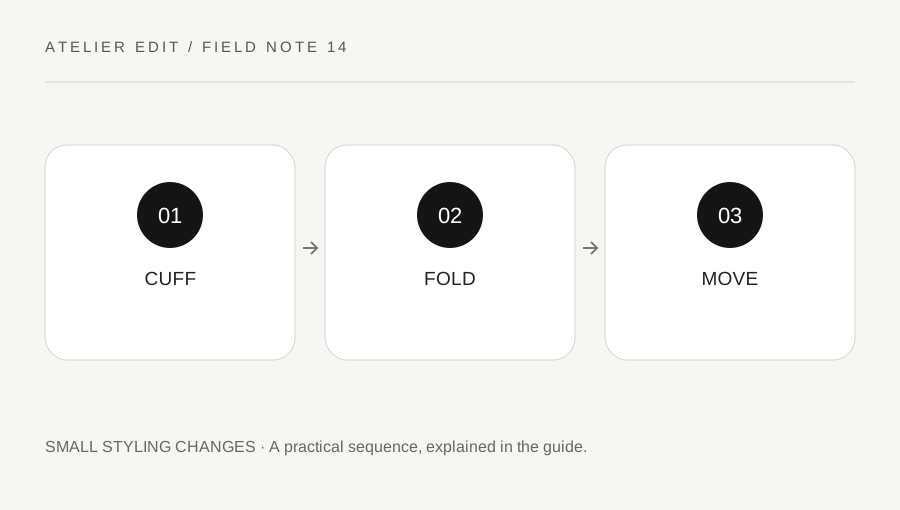
Original explanatory diagram. Examples illustrate a method or decision; they are not claims of personal testing.
Inspect the sleeve and setting
Look at the cuff fastening, sleeve width and fabric thickness. A stiff double cuff, a soft casual cuff and a narrow sleeve are different starting points. Use the garment's intended construction and avoid forcing a fold that strains seams or fastenings.
Confirm that rolled sleeves suit the setting and activity. Clothing near equipment can have specific requirements, which take priority over a styling preference. This guide concerns an ordinary outfit comparison, not protective clothing or task-specific workwear.
Make one controlled fold
Unfasten the cuff where the design permits and make a neat reversible fold using the cuff as a guide. Keep the fabric smooth without pulling it tight. Compare the visible length on both arms, allowing for the garment's actual construction.
Do not keep adding tight rolls merely to make the sleeve stay up. If the fold restricts movement or feels uncomfortable, let it down or choose another shirt. A casual visible edge does not need to be fixed into an inflexible shape.
Check the full layer combination
Bend and straighten the arms and try the outer layer if one is planned. A cuff that works alone can bunch inside a cardigan or jacket sleeve. Check whether the fold rubs, catches or needs repeated adjustment during ordinary movement.
Compare the rolled version with the sleeve worn normally before changing another outfit detail. The difference can affect how much wrist or inner layer is visible, but there is no universal ideal amount. Choose the version that serves your comfort and intended outline.
Record a practical pairing
Try a familiar shirt with straight trousers and keep the rest of the outfit fixed. Compare normal cuffs with a modest rolled version, then repeat the check with your planned cardigan. Note which arrangement remains comfortable when seated and reaching normally.
If the roll will not stay manageable, choose the normal sleeve rather than adding pins or improvised restraints during wear. These are original editorial experiments, not a claim that every shirt should be rolled or that one sleeve treatment suits every person. A useful small detail remains reversible and compatible with the actual garment.
Record where the fold stops being useful
Compare the normal cuff with one modest fold, then test the planned outer layer. Note whether the sleeve stays comfortable when the elbow bends and whether the fabric remains manageable after sitting and reaching normally. Avoid deciding from a single straight-arm photograph.
If the roll repeatedly loosens, check whether the fabric and construction suit that treatment at all. More tight folds or improvised restraints can create discomfort without making the outfit more useful. Choose the normal sleeve or another garment instead. Keep a short note describing the shirt, fold and outer layer that worked, since a different shirt in the same colour can have another cuff width or fabric weight. Follow activity-specific clothing requirements before any styling preference. A reversible sleeve experiment should leave the garment usable in its ordinary form and should never depend on strained seams, restricted movement or an accessory arrangement that is unsuitable for the actual task.
A practical checklist
Choices are saved in this browser. Reset them here or clear this site’s browser storage.
Questions that come up
Should every shirt sleeve be rolled?
No. Construction, comfort and setting matter. A normal cuff can be the better option for the actual garment and day.
What if the roll feels tight?
Let it down or choose another arrangement. Do not keep adding pressure or improvised restraints to preserve a particular sleeve length.
Why test with a cardigan?
The added layer can change sleeve space and cause bunching. Check the complete outfit rather than only the shirt alone.
References & scope
Background references checked on 18 October 2026. Worked examples and diagrams are original teaching material.