A Scarf as a Colour Experiment: Compare Placement and Volume
A scarf introduces colour, pattern and physical volume near the neckline. Start with a comfortable arrangement and compare how much of it is visible. The goal is a useful accessory choice, not a universal claim about which colours every person should wear.
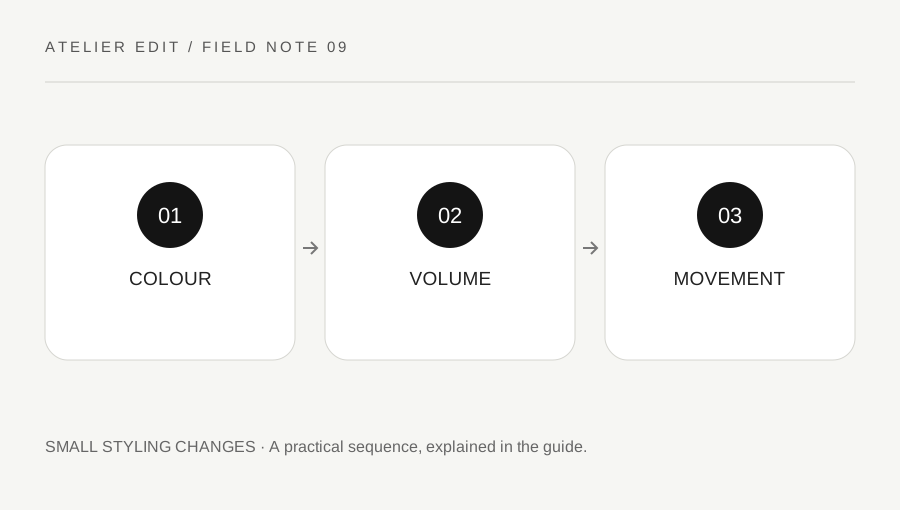
Original explanatory diagram. Examples illustrate a method or decision; they are not claims of personal testing.
Choose a practical scarf for the day
Check the scarf's size, feel and suitability for the actual weather and activity. A delicate square and a thick winter scarf have different roles. Keep the garment's care information available, but this guide focuses on outfit placement rather than laundry treatment.
Avoid arrangements that feel tight or interfere with ordinary movement. Keep loose accessories clear of equipment or activities where they could catch, and follow workplace requirements. A styling detail should remain compatible with the day's practical needs.
Compare visible colour amounts
Wear the scarf with a familiar plain top or layer and look at a small visible section first. Then compare a more open arrangement showing more of its colour or pattern. Keep the rest of the outfit unchanged.
Notice whether you prefer the scarf to be the main point of attention or a quiet link to another garment. A patterned scarf can connect several existing colours, but it does not need to match every item. Avoid describing personal preference as a diagnostic colour rule that everyone must follow.
Check neckline and bulk together
A high collar, hood and thick scarf can compete for space. Compare the full combination while turning your head and using a normal seated posture. Do not force a heavy scarf into a small neckline simply to hide its ends.
Try a simpler comfortable arrangement before changing the whole outfit. If the scarf remains impractical, choose a smaller accessory or leave it out. The useful decision accounts for the actual fabric and layer shape, not only a photograph of the front.
Use an existing-piece example
Start with a dark knit, familiar outer layer and a patterned scarf containing one colour already present in the outfit. Compare a small visible edge with a broader drape. Check the side view and movement in both.
Keep the version that feels manageable and creates the emphasis you prefer. Note the layer and scarf together so you can repeat the combination. These original editorial ideas do not claim a measured seasonal trend or require a new purchase. A scarf is one optional way to explore colour with existing garments, and removing it is also a valid styling choice.
Make a placement comparison with the same scarf
Use a small visible section first, then a broader comfortable arrangement, keeping the top and outer layer unchanged. Note the amount of pattern visible and whether the neckline feels crowded. Compare the side view and ordinary head movement as well as the front image.
If a patterned scarf contains several colours, choose one possible connection to the outfit and describe it. Do not require every colour to appear elsewhere. Check whether the arrangement stays manageable when a bag strap or collar is added. Keep the scarf out of activities where a loose accessory would be unsuitable, following the actual setting's requirements. Save the workable placement in a short note rather than trying to reproduce a rigid knot from memory. If neither version feels useful, put the scarf aside for another outfit. An accessory experiment should remain optional and reversible, allowing colour exploration without making comfort depend on preserving a particular photographed arrangement.
A practical checklist
Choices are saved in this browser. Reset them here or clear this site’s browser storage.
Questions that come up
Must a scarf match the coat exactly?
No. It can repeat a colour, introduce contrast or connect several tones. Compare the whole combination and choose the relationship you prefer.
What if the neckline feels crowded?
Try a simpler arrangement, a smaller scarf or no scarf. Comfort and movement should not be sacrificed to preserve a particular drape.
Does this identify my personal colour season?
No. It offers a practical comparison of actual garments and preferences, without a universal diagnostic colour claim.
References & scope
Background references checked on 18 October 2026. Worked examples and diagrams are original teaching material.