A Rainy-Day Outfit: Plan the Wet-to-Dry Transition as Well as the Colours
An outfit for a wet day needs practical footwear, suitable outer protection and a usable indoor base. Start with the actual forecast and activity, then coordinate the pieces you already own. This guide offers styling organization rather than technical weather-protection guarantees.
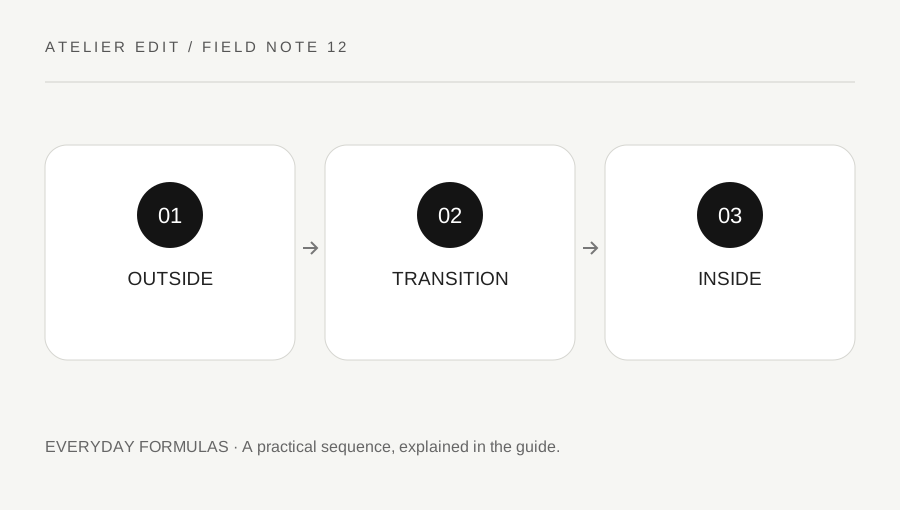
Original explanatory diagram. Examples illustrate a method or decision; they are not claims of personal testing.
Choose function before colour
Check the expected conditions and the activity's requirements. Follow garment and footwear specifications for weather suitability; a dark colour or heavy appearance does not prove water resistance or safe traction. For severe conditions or specialized activity, use appropriate equipment and official guidance.
Choose comfortable clothing that will not drag through standing water during ordinary movement. A hem that works indoors may need another pairing outside. Do not shorten garments permanently for one wet day without considering their normal use.
Build an indoor base that stands alone
Put on the clothes you expect to wear after removing outerwear. Check coverage, comfort and the destination's dress expectations. An outer layer can conceal an unfinished base during a mirror check, so inspect the base separately.
If footwear changes are practical and permitted at the destination, plan them deliberately. Keep the transition manageable rather than carrying unnecessary duplicate items. The outfit's purpose is to work through the actual day, not to maintain one unchanging photographed arrangement in every environment.
Coordinate one visible relationship
Once practical pieces are selected, choose a simple colour link if useful: a repeated dark tone, a scarf echoing the base or a bag that sits quietly with the outer layer. Exact matching is optional. Avoid replacing functional footwear merely because another colour would look closer.
Check how straps, sleeves and hems interact with the full outfit. A bag carried over outerwear can change access and comfort. Keep loose accessories suitable for the activity and clear of equipment. If a styling detail makes the wet-day transition harder, simplify it.
Use a realistic comparison
Try your suitable outer layer and footwear over a familiar indoor combination. Walk, sit and remove the outer layer as you would at the destination. Notice where damp garments or accessories would be placed according to the venue's arrangements.
Record the combination that works without dragging hems or repeated rearrangement. Do not infer technical performance from this styling trial; use the makers' specifications and the actual conditions. These are original editorial planning ideas, not a travel packing list or a promise that one garment protects every wearer in every kind of rain.
Check the transition at home before relying on it
Put on the complete suitable outer outfit, then rehearse removing the outer layer and handling the bag as you would at the destination. Check that the indoor base is ready and that no hem needs constant lifting. This is a practical arrangement check, not a test of waterproofing or traction.
Use product specifications and the actual forecast for performance decisions. If conditions exceed ordinary everyday use, choose appropriate specialized guidance and equipment. Keep any planned footwear change simple and compatible with the venue. Note where the outer layer would go without placing damp material over belongings that should stay dry. Save the useful formula with its intended setting and conditions, rather than calling it a universal rainy-day solution. Another day may need different protection or another activity plan. The styling part can then remain modest: one clear colour relationship or no additional accessory at all, with practical suitability already decided.
A practical checklist
Choices are saved in this browser. Reset them here or clear this site’s browser storage.
Questions that come up
Does a thick coat guarantee rain protection?
No. Appearance does not establish technical performance. Use the actual product specifications and appropriate equipment for the conditions.
Must every wet-day item match?
No. Practical suitability comes first. One optional colour relationship can be enough if you want coordination.
Is this a severe-weather equipment guide?
No. It is an everyday outfit-organization guide. Specialized or severe conditions require suitable equipment and relevant official guidance.
References & scope
Background references checked on 18 October 2026. Worked examples and diagrams are original teaching material.