A Dress with Trainers: Check the Hem, Shoe Shape and Setting
A dress-and-trainer combination can be practical when its parts suit the day. Compare the actual dress length, shoe shape and movement rather than assuming any trainer makes any dress casual in the same way. Follow the setting’s dress requirements separately.
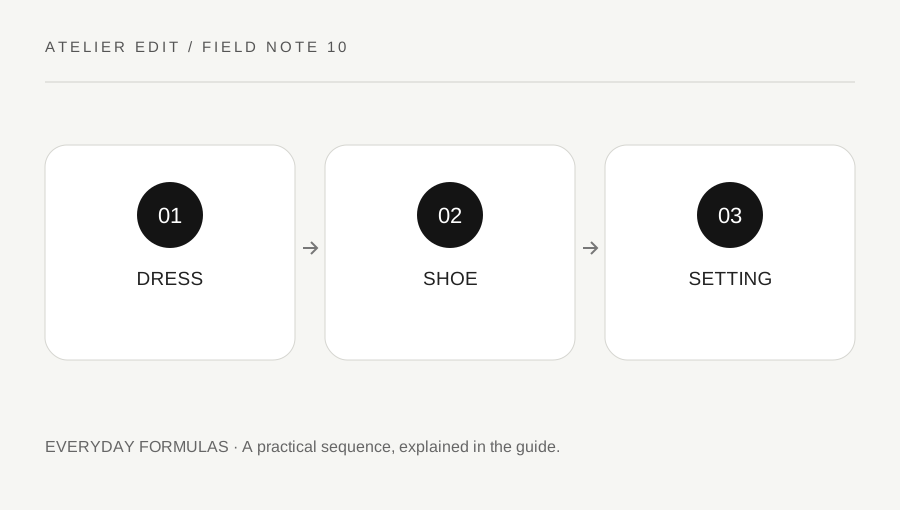
Original explanatory diagram. Examples illustrate a method or decision; they are not claims of personal testing.
Start with comfortable fit
Choose a dress you can move and sit in comfortably and trainers that fit securely. Check the hem while walking and using an ordinary step. A long or narrow hem can behave differently from a shorter loose one.
Do not choose footwear solely for its colour if it is unsuitable for the activity or causes discomfort. This is an outfit guide, not a foot-health prescription. Any workplace, event or activity-specific footwear requirement takes priority over an editorial formula.
Compare the shoe’s visual weight
A slim trainer, substantial sole and high-top create different outlines beneath the same hem. Try the pairs you already own and keep the dress unchanged. Notice how much shoe and sock is visible when standing and walking.
There is no mandatory gap between hem and shoe. Decide which relationship you like and whether the fabric catches or drags. A camera angle can distort proportions, so use a mirror and ordinary movement as well as an optional photo.
Add one useful layer
If the day needs another layer, compare an existing cardigan, overshirt or jacket with the dress and chosen trainers. Check sleeve room and the meeting of the two hems. Keep the layer appropriate for the actual weather rather than treating a colour match as enough.
Add a bag or small accessory only if it serves the day. A trainer colour can repeat a detail elsewhere, but exact matching is optional. The dress itself may already contain enough pattern and colour to carry the outfit without extra decoration.
Make the setting decision explicitly
Compare the completed combination with the actual occasion. A casual walk, informal lunch and formal ceremony can have different expectations. Do not assume a clean white trainer is universally acceptable just because it appears in an outfit example.
For a worked formula, try a familiar plain dress, low trainers and a short cardigan. Check the hem and layer interaction, then remove the cardigan to confirm the base still suits your coverage and setting needs. Keep a note of what worked. These are adaptable editorial suggestions rather than a claim that one combination is essential or currently dominant in fashion.
Compare the shoe while keeping the dress fixed
Try two suitable pairs you already own and note sole shape, visible opening and the way the hem moves above or around them. Keep any cardigan or jacket unchanged during this comparison. If the footwear differs in comfort or activity suitability, record that separately from the visual preference.
Walk and sit in the completed outfit, then check a normal step or stair only where safe. A hem that looks clear when standing can catch during movement. Consider the destination's footwear rules before keeping the combination. If the preferred visual pair is unsuitable, use the practical pair and compare another small outfit detail instead. Save the dress, shoe and layer as a complete formula, including whether the base remains suitable when the layer comes off. This gives you a usable option for a real day rather than an isolated image that ignores movement, coverage or the occasion. No particular trainer colour is required for the method to work.
A practical checklist
Choices are saved in this browser. Reset them here or clear this site’s browser storage.
Questions that come up
Can trainers work with every dress code?
No. Follow the specific event or workplace requirements. An editorial outfit idea does not override them.
Must the trainers be white?
No. Use suitable footwear you own and compare colour and shape in the complete outfit.
Should I judge from one photo?
Use direct viewing and ordinary movement too. Camera angle and pose can change the apparent relationship between hem and shoe.
References & scope
Background references checked on 18 October 2026. Worked examples and diagrams are original teaching material.