Dark and Light Denim: Change the Outfit’s Contrast Without Changing Everything
Denim shade can change the relationship between a familiar top and shoes. Compare the same outfit with darker and lighter denim before deciding that the top no longer works. Keep fit, comfort and the actual dress setting separate from the colour experiment.
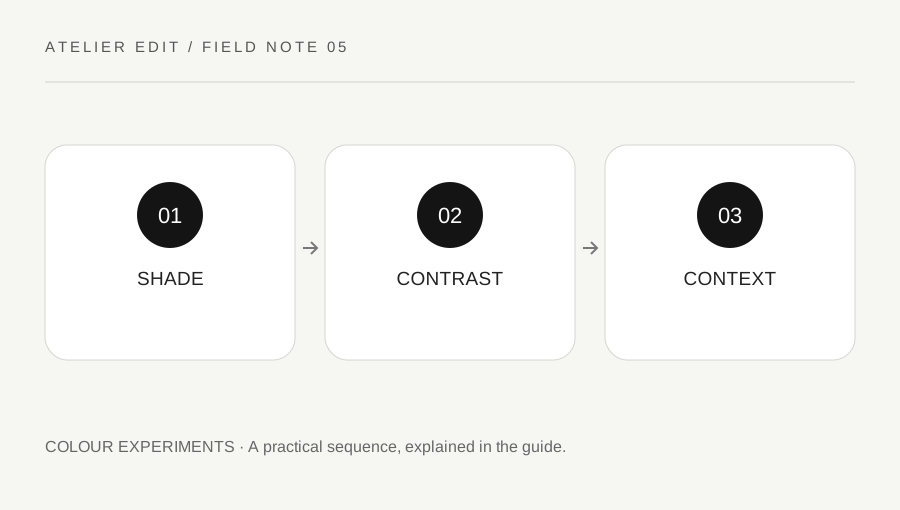
Original explanatory diagram. Examples illustrate a method or decision; they are not claims of personal testing.
Compare actual denim pieces
Dark, mid-tone and light denim are broad descriptions, not standardized colours. Fading, stitching and surface texture also affect the appearance. Place the candidate jeans beside the same top and look in ordinary daylight. A very different cut introduces another variable, so note that difference rather than attributing everything to shade.
Check the garment's condition and comfortable fit. A colour experiment should not depend on an unsuitable waistband or a hem that drags. Use the pieces you can wear securely and move in normally, then compare their visual relationship.
Keep one top as the anchor
Choose a familiar plain knit, shirt or tee. Compare it with each denim shade while keeping shoes and accessories fixed. Notice whether the top blends into the lower half or creates a strong boundary. Neither effect is automatically more flattering or correct.
If the top itself contains a pattern, observe its light and dark areas rather than treating its label colour as the whole story. A patterned shirt can connect differently to each denim shade. Start with the clearest comparison before changing bags, jewelry and outer layers as well.
Check the setting and footwear
Denim is not suitable for every dress requirement. Confirm the setting before deciding that a dark wash automatically qualifies as formal. The outfit's total condition, cut, footwear and the actual policy matter. Do not substitute a styling suggestion for an explicit workplace or event rule.
For everyday wear, compare how the shoe edge meets the hem and whether the contrast repeats elsewhere. A light shoe beneath dark denim creates one relationship; a dark shoe beneath light denim creates another. Use the version that suits your preference and practical day.
Try a controlled everyday formula
Start with a cream knit and familiar low shoes. Compare dark straight denim with a lighter pair of similar cut. Keep the tuck unchanged. Note whether you prefer the stronger knit-to-jeans contrast or the softer tonal version.
If only one pair has a suitable fit, use that pair and experiment with another detail instead. The purpose is understanding the wardrobe you have, not creating a shopping obligation. Keep a note of the successful combination and the conditions. These original editorial examples do not claim a measured trend or a universal ranking of denim shades.
Separate wash from cut in your notes
If the two available jeans have different cuts, write that limitation down. A wider leg, higher waistband or shorter hem can change the result independently of wash. You can still compare the outfits, but do not claim the colour alone caused your preference.
Try a second top only after the first comparison is clear. For example, keep the cream knit as the anchor, then repeat with a dark plain top to see how the contrast changes. These are two separate tests, not a reason to replace both tops and both jeans. Check the chosen footwear with each hem and remove any version that drags or restricts movement. Save a short formula for the usable combinations. If one denim piece remains difficult to wear, identify whether the issue is fit, condition, setting or colour relationship before shopping. A specific explanation is more useful than concluding that an entire wash category does not suit you.
A practical checklist
Choices are saved in this browser. Reset them here or clear this site’s browser storage.
Questions that come up
Is dark denim automatically formal?
No. Follow the actual setting’s dress requirement. Shade is only one feature among garment type, condition, cut and the complete outfit.
Should I replace light denim for winter?
Not as a universal rule. Consider the actual garment, weather, setting and your preferred contrast. Existing pieces can be compared without assuming a seasonal purchase is necessary.
Why keep the top unchanged?
It isolates the denim difference. Changing several pieces simultaneously makes it harder to know which relationship you preferred.
References & scope
Background references checked on 18 October 2026. Worked examples and diagrams are original teaching material.