Cardigan Layering: Check the Neckline, Hem and Sleeve Together
A cardigan’s shape interacts with the top beneath it and the garment below. Compare the neckline, fastening and hem rather than treating every knit as the same outer layer. A useful combination should allow comfortable movement and ordinary temperature adjustments.
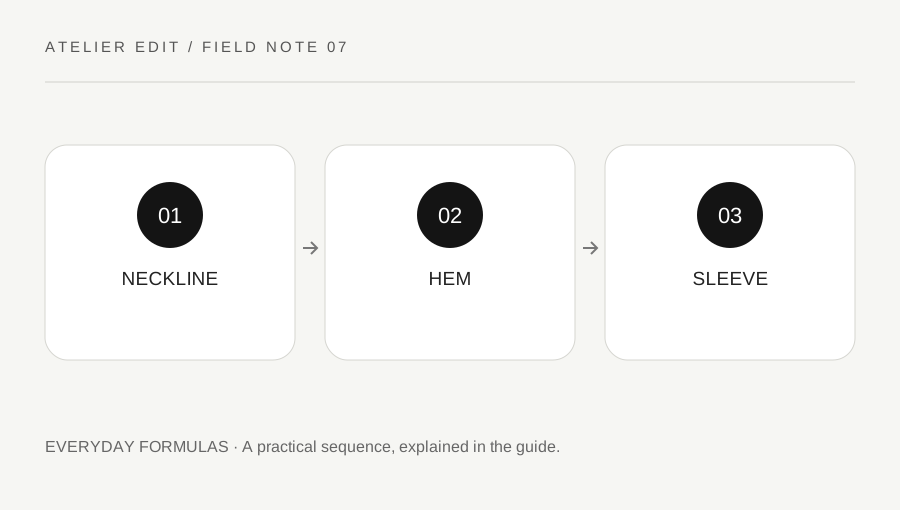
Original explanatory diagram. Examples illustrate a method or decision; they are not claims of personal testing.
Identify the cardigan’s actual shape
Note whether the cardigan is short, long, fitted or loose, and whether it has a V-neck, round neck or another front shape. The base top's visible neckline sits inside that frame. Compare the two in a mirror with the cardigan both open and fastened as intended.
Check the knit's condition and comfortable fit. A stretched fastening or pulling front can be a garment-fit issue rather than a styling detail. Do not fasten buttons under uncomfortable tension to reproduce a picture. Choose a wearable arrangement first.
Compare the hem boundaries
Look at where the base top and cardigan end relative to each other. A visible longer base hem can be deliberate, while another pairing may feel clearer with the base tucked. Keep the lower garment fixed while comparing so the hem relationship is easy to understand.
Avoid treating every layered edge as clutter that must disappear. Decide whether you want a simple single boundary or a more layered outline. The answer depends on the actual lengths and fabrics. A short cardigan over a long shirt creates a different effect from a long cardigan over a short tee.
Check sleeve room and daily handling
Put on the full combination and bend your arms normally. The base sleeve should not bunch painfully or make the outer sleeve difficult to move. A smooth thin base can behave differently from a thick shirt cuff, but do not assume fibre names alone determine comfort.
Consider whether you will remove the cardigan during the day. The base outfit should remain suitable for the setting if you do. Keep practical access to pockets and bag straps in view. A combination that needs constant sleeve correction may be less useful than a simpler pairing.
Use a small wardrobe trial
Compare a familiar cardigan with a plain tee and then a collared shirt, keeping trousers and shoes unchanged. Try the cardigan open and with its intended fastening. Notice the neckline frame, hem relationship and sleeve feel in each version.
Choose the arrangement that fits your actual day and record why. The result might be a softer casual formula or a clearer collar detail, not a universal ranking. These are editorial experiments rather than current-trend claims. Understanding the interaction between existing lengths and layers can prevent unnecessary purchases made to solve a problem that a different pairing already addresses.
Compare open and fastened versions separately
Make four short observations for the cardigan over each base: neckline, visible hem, sleeve feel and comfort when seated. Compare open and intended fastened versions without pulling the knit under tension. A fastening arrangement can change the front outline, but it should not depend on stretching the garment beyond its comfortable fit.
Try the bag and outer layer you actually expect to use. A strap can shift a loose cardigan, while another jacket can crowd the sleeves. If the full combination is awkward, simplify one layer rather than adding more styling details to distract from it. Keep the useful pairing with the base top's actual sleeve and hem description. A tee and a collared shirt can share a colour but behave differently beneath the same knit. The final note should capture that interaction, helping you choose an existing comfortable combination when the weather or destination calls for another layer.
A practical checklist
Choices are saved in this browser. Reset them here or clear this site’s browser storage.
Questions that come up
Should the base hem always be hidden?
No. Visible layered hems can be deliberate. Compare the actual lengths and choose the outline you prefer, while keeping movement comfortable.
Can a tight sleeve be solved by styling?
If the combination restricts movement, choose another pairing or fit. Do not force thick layers into a sleeve that cannot comfortably accommodate them.
Why check the outfit without the cardigan?
You may remove the layer during the day. The base should still meet your coverage, comfort and setting needs.
References & scope
Background references checked on 18 October 2026. Worked examples and diagrams are original teaching material.